

8 Things Dentists Wish Every Patient Knew About Oral Health
A healthy smile requires more than brushing your teeth once or twice a day. Good oral health is built through consistent habits, routine professional care, and an understanding of how daily choices affect the teeth and gums. Many dental problems develop gradually, making it easy to overlook small warning signs until they become more serious. Preventive care remains one of the most effective ways to protect both oral health and overall well-being. Regular checkups allow dental professionals to identify concerns early and recommend appropriate treatment before complications arise. Visiting experienced dentists helps patients receive personalized care that supports long-term dental health. Learning the most important oral health practices can help people of all ages maintain stronger, healthier smiles. By understanding these key recommendations, patients can make informed decisions that benefit their teeth for years to come.
1. Brush Properly Every Single Day
Brushing your teeth consistently is one of the simplest ways to maintain good oral health. Proper brushing removes plaque, food particles, and bacteria that accumulate throughout the day. Using a soft-bristled toothbrush and fluoride toothpaste helps clean teeth while protecting enamel from unnecessary wear. Brushing should cover every surface of each tooth rather than focusing only on the front. Taking enough time during each brushing session improves overall effectiveness. Gentle brushing techniques also help protect gum tissue from irritation. According to the World Health Organization, nearly 7% of adults aged 20 and older worldwide experience complete tooth loss, demonstrating the importance of maintaining healthy oral care habits throughout life. Regular visits with dentists complement daily brushing by providing professional evaluations and preventive care.
2. Floss Daily to Protect Your Gums
Brushing alone cannot reach every area where plaque and food particles collect. Flossing removes debris from between teeth and along the gumline where toothbrush bristles may not reach effectively. Daily flossing helps reduce plaque buildup while supporting healthier gums. Consistent flossing habits may also help reduce the likelihood of gum irritation and other oral health concerns. Many patients skip flossing because they believe brushing provides enough protection, but both practices work together. Learning proper flossing techniques improves comfort and effectiveness during daily oral care. Small daily habits often make a significant difference over time. Experienced dentists encourage patients to include flossing as an essential part of every oral hygiene routine.
3. Schedule Routine Dental Checkups
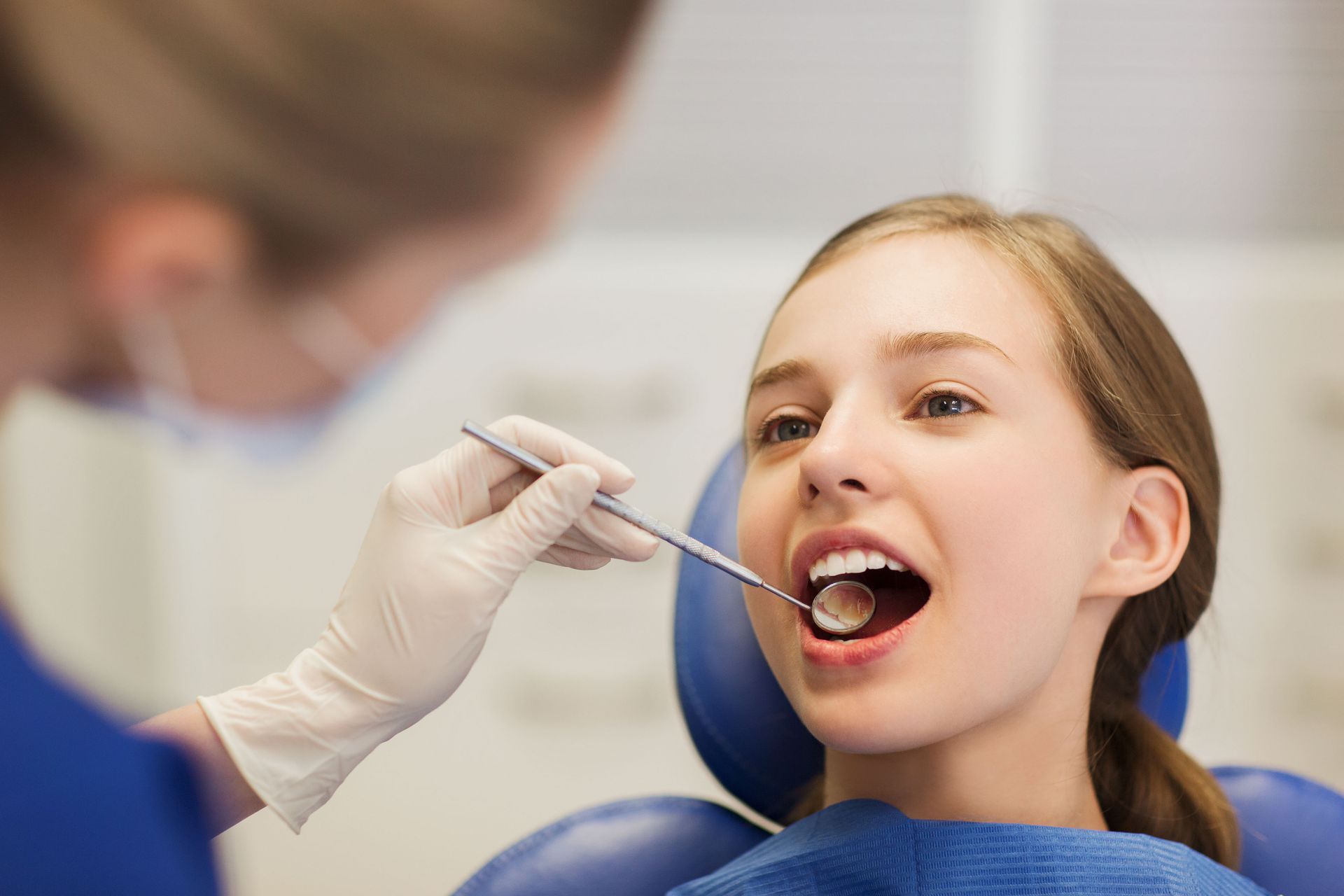
Many oral health problems begin without causing immediate discomfort or visible symptoms. Routine dental appointments allow professionals to identify developing concerns before they require more extensive treatment. During examinations, dental teams evaluate teeth, gums, and other oral structures for signs of potential issues. Professional cleanings also remove hardened plaque that cannot be eliminated through brushing and flossing alone. Regular checkups provide opportunities to discuss oral hygiene habits and receive personalized recommendations. Early detection often simplifies treatment and supports better long-term outcomes. Preventive care helps patients avoid unnecessary discomfort and more complicated dental procedures. Visiting dentists on a consistent schedule is an important investment in lasting oral health.
4. Pay Attention to Changes in Your Mouth
Small changes inside the mouth should never be ignored because they may indicate developing dental concerns. Persistent tooth sensitivity, bleeding gums, unusual sores, or discomfort while chewing deserve professional evaluation. Addressing these symptoms early often prevents more serious complications from developing. Many oral conditions become easier to treat when identified in their earliest stages. Monitoring changes also helps patients become more familiar with what is normal for their own oral health. Reporting concerns promptly allows dental professionals to recommend appropriate care without unnecessary delays. Awareness plays an important role in protecting both teeth and gums. Experienced dentists encourage patients to seek evaluations whenever unusual symptoms appear.
5. Choose Foods That Support Oral Health
Daily food choices can have a direct impact on the health of teeth and gums. A balanced diet provides important nutrients that help maintain strong teeth and healthy oral tissues. Limiting sugary snacks and beverages reduces the amount of food available for harmful bacteria. Drinking water throughout the day also helps rinse away food particles and supports saliva production. Crunchy fruits and vegetables may assist with natural cleaning while contributing valuable vitamins and minerals. Consistent healthy eating habits benefit both oral health and overall wellness. Small dietary improvements often contribute to healthier smiles over time. Dental professionals frequently discuss nutrition as part of comprehensive preventive care.
6. Replace Oral Care Products Regularly
Using worn or outdated oral hygiene products can reduce the effectiveness of daily dental care. Toothbrush bristles naturally wear down after regular use and may not clean teeth as efficiently. Replacing toothbrushes at recommended intervals helps maintain proper cleaning performance. Patients should also inspect floss, electric toothbrush heads, and other oral care tools to ensure they remain in good condition. Using quality products appropriate for individual dental needs supports better long-term results. Professional recommendations can help patients choose products that work well for their specific oral health concerns. Maintaining effective oral care tools contributes to healthier daily routines. Experienced dentists often provide guidance on selecting products that support proper dental hygiene.
7. Protect Teeth From Everyday Damage
Many people unknowingly place unnecessary stress on their teeth during daily activities. Chewing ice, opening packages with teeth, or grinding teeth can gradually cause chips, cracks, or excessive wear. Wearing protective mouthguards during sports or addressing nighttime grinding can help reduce these risks. Paying attention to these habits helps preserve natural teeth for many years. Small preventive measures often reduce the likelihood of future dental treatment. Protecting teeth also supports long-term comfort and function. Good habits contribute to maintaining both appearance and oral health. Dentists frequently educate patients about avoiding behaviors that may damage healthy teeth.
8. Understand That Oral Health Affects Overall Health
Oral health plays an important role in supporting overall well-being and should never be viewed separately from the rest of the body. Problems affecting the teeth and gums can influence daily comfort, nutrition, and overall quality of life. Maintaining a healthy mouth makes it easier to eat a balanced diet, speak clearly, and perform everyday activities without discomfort. Preventive dental care helps reduce the likelihood of oral issues that could become more complicated over time. Developing healthy habits early creates a strong foundation for lifelong dental wellness. Regular checkups provide opportunities to monitor changes and receive personalized guidance based on individual needs. Taking oral health seriously benefits people of every age and contributes to long-term wellness. Experienced dentists encourage patients to view routine dental care as an essential part of maintaining their overall health.
Every patient has unique oral health needs that may require individualized care and recommendations. Professional advice is based on dental history, current conditions, and long-term preventive goals. Following recommended treatment plans, cleaning schedules, and home care instructions supports better oral health outcomes. Consistency often produces better results than making occasional improvements. Patients who maintain regular communication with their dental providers are better equipped to address concerns as they arise. Preventive care remains more effective than waiting until significant problems develop. Long-term commitment to healthy habits benefits both oral function and overall quality of life. Trusting experienced dentists helps patients maintain healthy smiles through every stage of life.
If you're ready to improve your oral health and maintain a healthy, confident smile, rely on Boulder Brook Dental LLC for compassionate and professional dental care. Our experienced team is dedicated to preventive dentistry, patient education, and personalized treatment designed to meet your unique needs. Contact us today to schedule your next appointment and take the next step toward lasting oral health.



Share On: